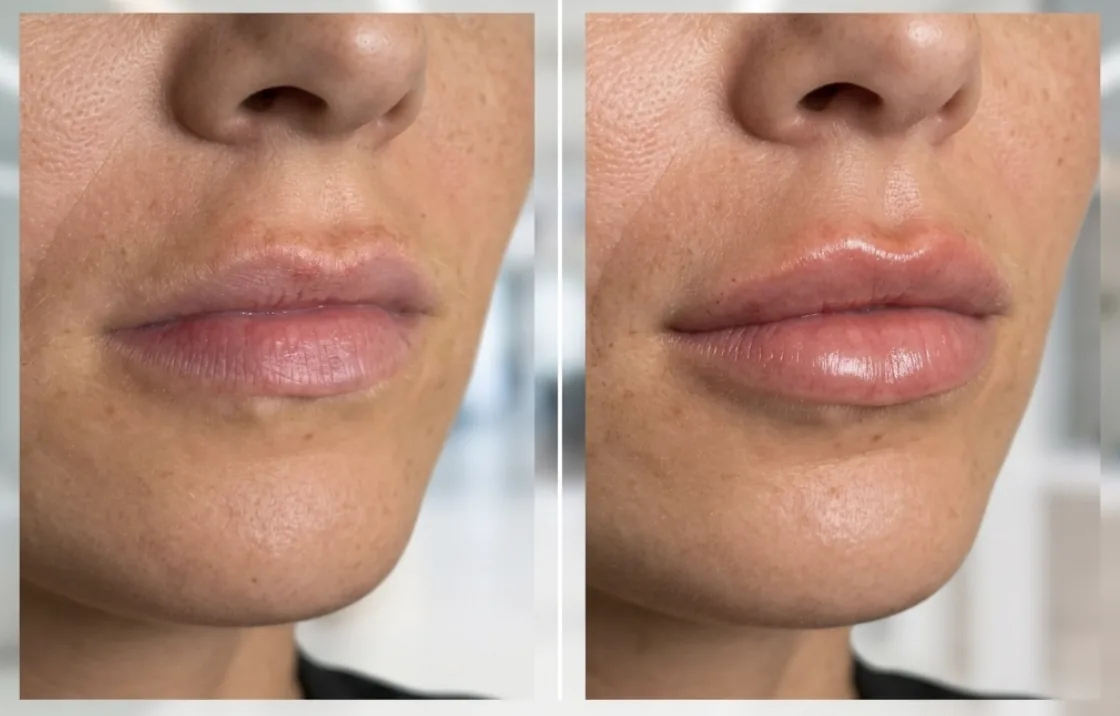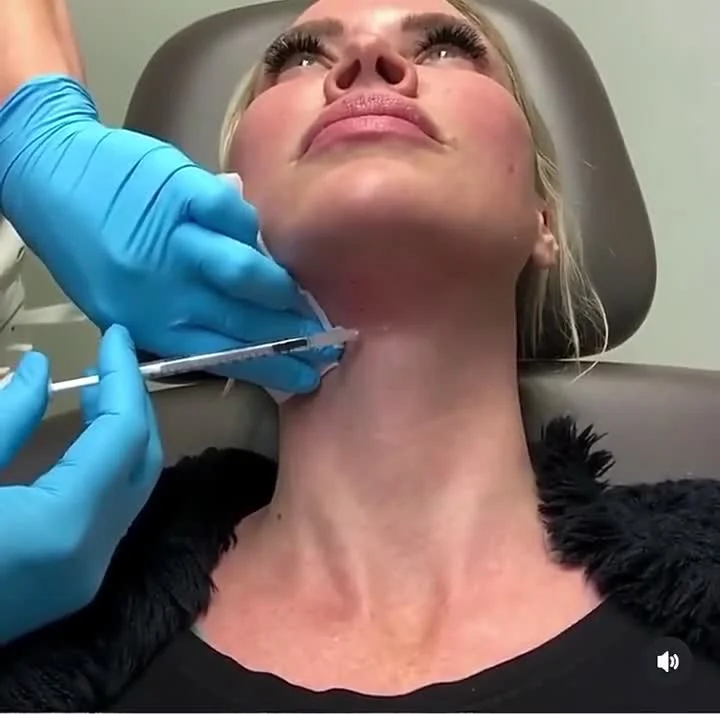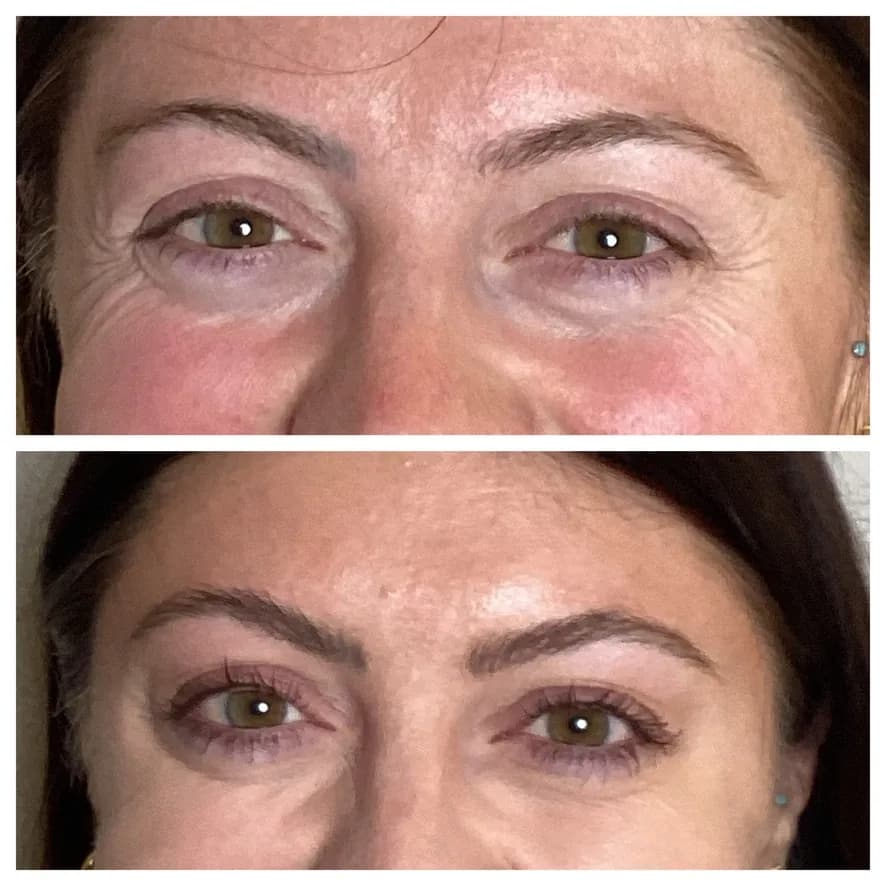

On August 20, 2026, the FDA approved RHA Redensity Eye for the correction of moderate to severe tissue volume deficiencies in the infraorbital region for adults 22 and older. In plain language, there is now a hyaluronic acid filler approved specifically for undereye hollowing.
The 52-week pivotal study reported aesthetic improvement in 93 percent of patients at three months, with results holding up to twelve months. The safety profile showed no granulomas and no vascular occlusion events. It is also the first hyaluronic acid gel to use patient-reported outcomes as a co-primary endpoint in a United States infraorbital study, which means the research asked patients whether they were satisfied rather than measuring the correction alone.
This is meaningful progress, and it is worth understanding precisely what it changes. An approval establishes that a product performed safely and effectively in a controlled study, in the hands of investigators selected for the trial. It does not change the anatomy of the area, and it does not change the fact that the undereye is the least forgiving region on the face.
We already treat with the Teoxane RHA Collection at Banyan & Bamboo, and RHA Redensity Eye is rolling out to our practice now that it is approved. What follows is how we assess the undereye and decide when this filler is the right tool, and when it is not.
Why the undereye is different
Three anatomical facts govern every decision made in this area.
The skin here is the thinnest on the body, roughly half a millimeter in places. There is very little subcutaneous tissue between the skin and the muscle beneath it, which means product placed too superficially becomes visible as a bluish shadow or a palpable ridge, sometimes months after treatment.
Lymphatic drainage through the infraorbital region is slow. Fluid that would clear from the cheek in a day can persist under the eye for considerably longer. A patient who already retains fluid in this area can look puffier after filler, not better, because hyaluronic acid attracts and holds water.
The vasculature is close to the surface and variable between individuals. The angular artery and its branches run through territory that cannot be reliably predicted from the outside. This is the anatomical reason the undereye carries elevated risk, and the reason technique and injector experience matter more here than almost anywhere else on the face.
None of this argues against treating the area. It explains why the assessment that happens before any product is drawn up determines the outcome.
Tired eyes have at least three different causes
The most common request we hear is some version of the same complaint: dark circles and undereye hollowing that persist despite regular use of topical products and cannot be covered effectively with makeup. It makes people look older and tired. That one complaint covers several distinct conditions, and each responds to a different treatment.
Volume loss and hollowing. The orbital rim becomes more defined as the fat pads supporting the midface descend and diminish. Light falls into the resulting depression and reads as a shadow. This is the condition filler addresses well.
Pigmentation and vascular darkness. Some undereye darkness comes from melanin, some from visible vasculature beneath thin skin, and some from a combination. Adding volume beneath pigmented or vascular skin does not lighten it. In some cases it makes the discoloration more apparent by bringing it forward. This is where a treatment such as Light Eyes Ultra with PDRN works at the tissue level rather than the structural one.
Fluid retention and skin quality. Puffiness driven by fluid, allergy, sleep patterns, or malar edema behaves very differently from hollowing. So does crepey skin that has lost elasticity. Treating either of these with volume tends to worsen the appearance rather than improve it.
Most people present with some combination. Sorting out which mechanism is producing the appearance a patient dislikes is the entire clinical task, and it requires an examination rather than a photograph.
Where the hollow usually starts
Here is the finding that surprises most patients, and the one Brittany Cantu returns to most often in consultation: the shadow under the eye frequently originates in the midface.
As cheek projection diminishes, the transition from the lower eyelid to the cheek becomes a longer, less supported slope. The eye appears hollow because the structure below it has receded, and the tear trough is simply where that loss becomes visible. Treating the cheek with midface support restores what the area lost, the transition shortens, and the shadow softens with nothing placed under the eye at all.
This matters for two reasons. It produces a more natural result, because the correction is made where the volume was actually lost. It is also considerably safer, since the midface is a far more forgiving injection site than the infraorbital region.
A patient who arrives asking for tear trough filler and leaves having had midface support has not been talked out of anything. They have been treated correctly.
Who does well with undereye filler
Good candidates generally share several features: genuine volume deficit rather than pigmentation or fluid as the primary driver, good skin quality with reasonable elasticity, minimal tendency toward fluid retention, and realistic expectations about a correction that softens a shadow rather than erasing every sign of fatigue.
Patients who typically do better with an alternative approach include those with significant malar edema or a history of morning puffiness, those whose darkness is primarily pigmentary or vascular, those with substantial skin laxity where added volume emphasizes rather than smooths, and those whose hollowing is driven by midface descent that should be addressed first.
There is also a category of patient for whom the honest answer is that no injectable will deliver what they are picturing, and that a conversation about skin health, sleep, or medical evaluation of persistent swelling is the more useful path. Saying so is part of the job.
How the assessment works
An undereye consultation at Banyan & Bamboo begins in the injector's chair, and it begins with examination rather than product selection.
Brittany Cantu evaluates the area in different lighting and different head positions, since a hollow that appears dramatic under overhead light often resolves substantially in natural light. She assesses skin thickness and elasticity by palpation, checks for fluid retention patterns and malar edema, evaluates midface projection and where support has been lost, and distinguishes pigmentary and vascular contributions from structural ones.
Only after that examination does the conversation turn to what, if anything, should be treated, in what order, and with what. Sometimes that plan involves filler. Sometimes it involves midface support. Sometimes it involves PDRN for quality and darkness, either on its own or sequenced with structural work. Frequently it involves a combination staged over several months.
What treatment involves
When filler is the right answer, treatment is generally completed in a single appointment. Product is placed conservatively, typically deep and in small volumes, with the understanding that undercorrection is straightforward to build on and overcorrection in this area is difficult to resolve.
Swelling and bruising are common in the days following treatment and resolve on their own. Final results settle over two to four weeks as the product integrates and initial swelling subsides. The pivotal study reported results holding up to twelve months, though individual longevity varies with metabolism, product, and the amount placed.
The result we work toward is one nobody can identify: a person who simply reads as rested.
Questions worth asking any injector
If you are considering undereye treatment anywhere, these questions are fair to ask, and a well-run practice will answer them readily.
How many infraorbital corrections have you performed, and how regularly do you treat this area?
Do you assess for malar edema and fluid retention before treating?
Do you evaluate whether midface support would address the concern first?
What is your protocol if a vascular complication occurs, and do you keep hyaluronidase on site?
Under what circumstances would you tell a patient that filler is the wrong tool for them?
That last question tells you the most. An injector who cannot name a patient they have declined to treat is not assessing candidacy.
Book an assessment
If tired eyes are what you notice in photographs, the useful first step is an examination that identifies which of the underlying causes is producing that appearance for you. From there the plan follows the finding.

Owner & Founder, Banyan & Bamboo Day Spa + Med Spa · South Lamar, Austin TX. Jennifer built Banyan & Bamboo to bring clinical-grade results and boutique-quality experience to South Austin.