
Total aesthetic patient spending reached $7.8 billion in the second quarter of 2026, up 9 percent year over year. The headline number is interesting. The composition underneath it is far more useful, because it shows what people are choosing to fund when they think carefully about it.
Surgical procedures grew 19 percent. Neurotoxins grew 9 percent. Skin rejuvenation posted double-digit growth. Take-home regenerative products grew 71 percent. Non-surgical body contouring declined as GLP-1 medications absorbed that demand.
Read together, a clear pattern emerges. Spending is consolidating around outcomes that last and maintenance people trust, while categories built on novelty lose ground. Clients are treating aesthetic care less as a series of one-off purchases and more as an asset managed over time.
That shift is worth understanding, because it changes how a person should think about planning what they spend in a year.
What each category shift actually signals
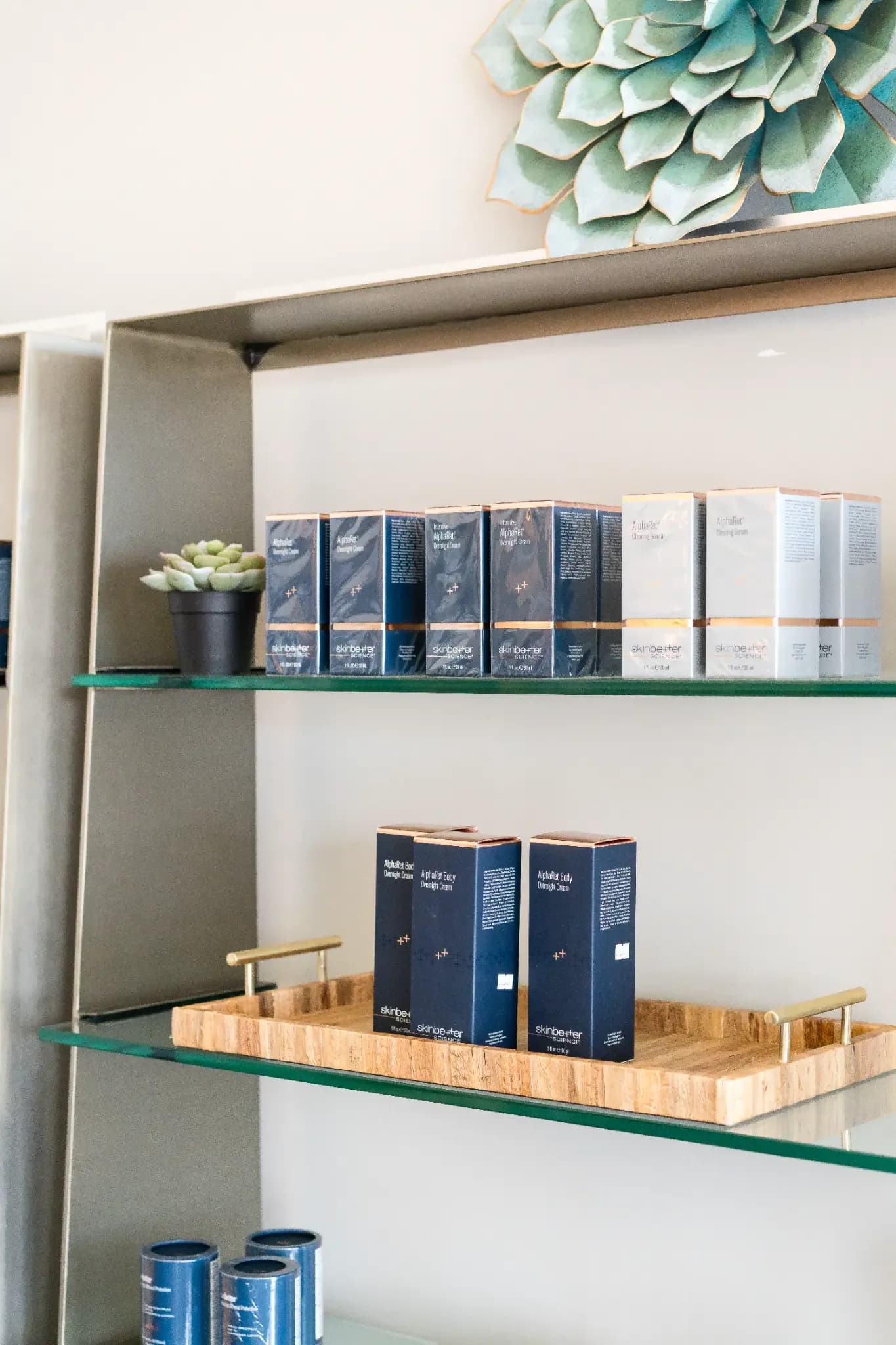
Take-home regenerative products growing 71 percent is the most striking figure in the set. It reflects clients treating skin health as something maintained daily rather than corrected quarterly. The in-clinic treatment becomes the intervention and the at-home protocol becomes the thing that holds the result. Nothing else in the data grew at that rate.
Skin rejuvenation posting double-digit growth points the same direction. These are treatments that improve the quality of the tissue itself, and their returns compound. Skin treated consistently over three years is in measurably different condition than skin treated occasionally.
Neurotoxins growing 9 percent shows the steadiness of a category people have integrated into their routine. Neurotoxin spending behaves like a subscription, because that is functionally what it is.
Surgical growing 19 percent reflects a willingness to fund definitive correction when the concern warrants it. This is the opposite of impulse spending. It is people deciding that a permanent structural change is worth the recovery and the cost.
Body contouring declining is the category worth thinking about most carefully. Demand did not disappear. It moved, as GLP-1 medications addressed the underlying goal more directly for many people. The lesson is about matching the tool to the actual objective. The treatments themselves remain the right answer for the specific concerns they were designed to address.
Why maintenance compounds and one-time purchases do not
There is a meaningful difference between a result you buy once and a result you sustain.
A single treatment produces an improvement that peaks and then declines. Money spent that way purchases a temporary state. The same amount distributed across a year of consistent maintenance purchases a baseline that shifts upward, because each treatment builds on tissue that is in better condition than it was before.
Collagen stimulation illustrates this clearly. A biostimulator works by prompting your own tissue to build new collagen over months. The result at month twelve reflects what the treatment set in motion, and a second course begins from that improved baseline rather than from where you started. Skin health protocols work the same way. Consistency produces a different curve than intensity.
This is why the client who spends steadily across a year generally looks better at the end of it than the client who spends the same total amount in one appointment before an event.
Three questions that sort any treatment into the right budget
When you are deciding whether something belongs in your maintenance budget or your one-time budget, these three questions settle it.
Does the benefit persist or decay? Treatments that improve tissue quality persist and build. Treatments that fill or relax decay predictably. Both are worth funding, and they belong in different lines.
Does skipping it cost you ground? If a six-month gap means starting over, that treatment belongs in a maintenance plan with a defined cadence. If a gap simply delays the next improvement, it can be scheduled around your life.
Is it addressing the actual cause? This is where most misallocated spending happens. Money spent on the wrong mechanism produces disappointment regardless of how good the treatment is. The body contouring data is the industry-scale version of this, and it shows up in individual budgets constantly.
Where skin health and regenerative work fit
The 71 percent growth in take-home regenerative products deserves a specific response, because it is easy to underfund the part of a plan that does the quiet work.
A reasonable structure treats professional treatments and home protocol as one allocation rather than two competing ones. The in-clinic work creates change. The daily protocol protects and extends it. A client who spends generously on treatment and minimally on what happens at home is funding a result they are not fully keeping.
For most people the productive ratio puts a meaningful share of the annual aesthetic budget into daily skin health, which is a smaller number than most expect and produces more visible return than most anticipate.
A framework for the year
Rather than a list of treatments, here is a way to structure the decision. The tiers below describe patterns of spending, and the specific treatments within each are determined by your assessment.
Foundation. A consistent daily skin protocol, professional skin treatments on a regular cadence, and an annual skin assessment to track change objectively. This tier is where the compounding happens. A client who funds only this tier and funds it consistently will see steady improvement.
Foundation plus targeted correction. Everything above, with the addition of one or two targeted interventions per year addressing your specific primary concern, whether that is neurotoxin for dynamic lines, collagen stimulation for laxity, or structural support where volume has been lost.
Comprehensive. A planned multi-year sequence in which structural work, regenerative treatment, and skin health are staged deliberately rather than purchased reactively. This tier makes sense for clients addressing several concerns at once, and its advantage is sequencing. Treatments done in the right order cost less in total than the same treatments done in the wrong one.
Banyan Luxe memberships are built for the foundation layer specifically, since the monthly credit accumulates and never expires. That structure exists because consistency is what produces the compounding described above, and a plan that matches how the results actually accrue tends to get followed.
The most expensive mistake
The most expensive mistake has little to do with a treatment's price. It happens when a treatment is aimed at the wrong mechanism, which produces a disappointing result and often leads to spending again to correct it.
The Q2 data shows an industry sorting itself toward things that work and last. For an individual, the same sorting happens in a consultation, where the question is which of your concerns is driving what you see and which intervention addresses that cause directly.
That conversation is worth having before the budget is allocated rather than after.
This piece discusses how to plan an aesthetic budget and is general education, not financial advice.

Owner & Founder, Banyan & Bamboo Day Spa + Med Spa · South Lamar, Austin TX. Jennifer built Banyan & Bamboo to bring clinical-grade results and boutique-quality experience to South Austin.